
It’s clear that the times are a-changin’ for the Hunter Valley region. - By Joe Hallenstein
Coal
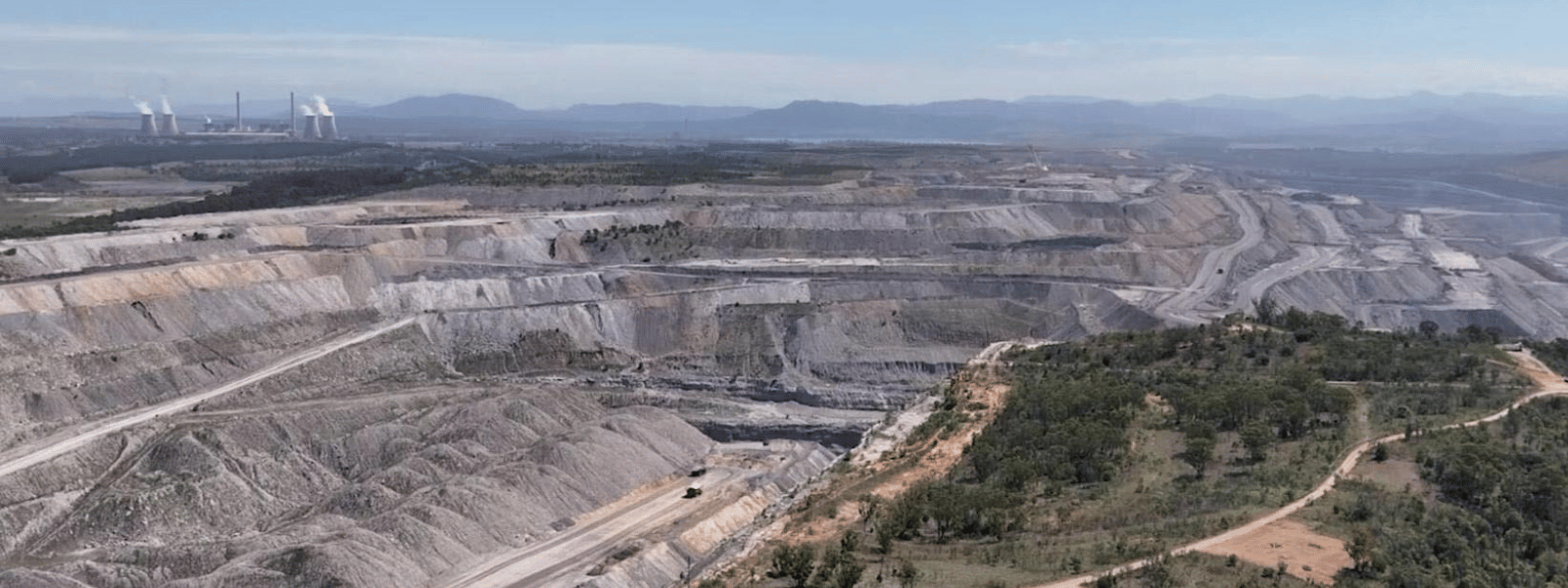
Mining company Yancoal announced two weeks ago that the Ashton coal mine will close in early 2028 and its 300 workers will lose their jobs, including 60 immediately. This sudden and unexpected mine closure highlighted that there’s no transition plan for coal export workers, who make up 90% of coal workers in the Hunter Valley - Labor’s Energy Industry Jobs Plan excludes them.
The Federal Government’s own treasury modelling predicts demand for Australia’s coal and Liquified Natural Gas exports will drop by roughly 50% in the next five years. Further closures are inevitable and, without a transition plan, the Ashton situation will keep being repeated.
Meanwhile, authorities and mining companies continue to act like it’s coal mining business-as-usual. The NSW Government has just approved their 11th coal project since the last election - Bloomfield Colliery Continuation Project near Maitland. The day before, the new Maxwell underground coal mine near Muswellbrook was officially opened. And the largest coal expansion in NSW history (the HVO Continuation Projects) is currently before the Independent Planning Commission for approval, with submissions open to the public.
The owners of the HVO project, Glencore and Yancoal, are sponsoring ads on social media to encourage Facebook and Instagram users to make supportive submissions for the approval. Federal and state MPs (Daniel Repacholi, Federal Member for Hunter and Dave Layzell, State Member for Upper Hunter) are spruiking their value to the region for jobs and investment, prominently saying things like “Let’s get behind HVO” and talking about “economic armageddon” respectively if HVO does not get approved. Federal Member for Paterson, Meryl Swanson, has been talking up the “high quality thermal and metallurgical coal” from the Maxwell mine. TV, radio and newspapers are giving them plenty of air time and print space. None of this is helpful for the people living in the Hunter - it’s only serving to stir communities and individuals into conflict as the powerful try to wring the last profits out of the dying days of the coal industry.
Climate
In the same week, the Bureau of Meteorology announced that the Hunter and NSW have experienced one of the hottest starts to winter since records began. In Sydney it was the hottest ever recorded. Unseasonal warmth and rainfall patterns like we experienced last month will have an increasing impact on our region. As Europe with its historically moderate climate deals with sweltering heat and unprecedented wildfires, it’s a timely reminder about what our next summer might bring, and summers beyond that.
Whether readers are directly affected by heatwaves, fires, storms or floods; or the flow-on effects of delays to local and global supply chains; or by crop quality and yield and food prices; or tourist numbers; or insurance premiums and property values; no matter where we work and no matter where we live, climate breakdown is going to be more and more central to everyday life.
Our climate crisis is mainly caused by mining and burning coal, gas and oil yet the NSW Government continues to approve new coal mine extensions even when their own Net Zero Commission has stated that continued expansion of coal mining in NSW is inconsistent with achieving legislated emissions reduction targets - targets that the NSW Government has said we are not even currently on track to meet.
All this new coal and gas is for export. Australia is the second largest coal exporter in the world and the third largest gas exporter in the world, yet our tax rates on coal and gas exports are much lower than other petrostates like Norway, Qatar and Saudi Arabia. In addition to low taxes, we provide billions of dollars in subsidies to coal and gas companies and we give away more than half of our gas royalty-free.
As a result, Australia has no substantial income or sovereign wealth fund available to retrain workers, to support new industries, or to pay for flood, fire, storm or drought response, nor cleanup or repairs. We are squandering our only opportunity to make private foreign-owned multinational coal and gas corporations pay some of the cost of the damage they‘re causing.
Alternative industries
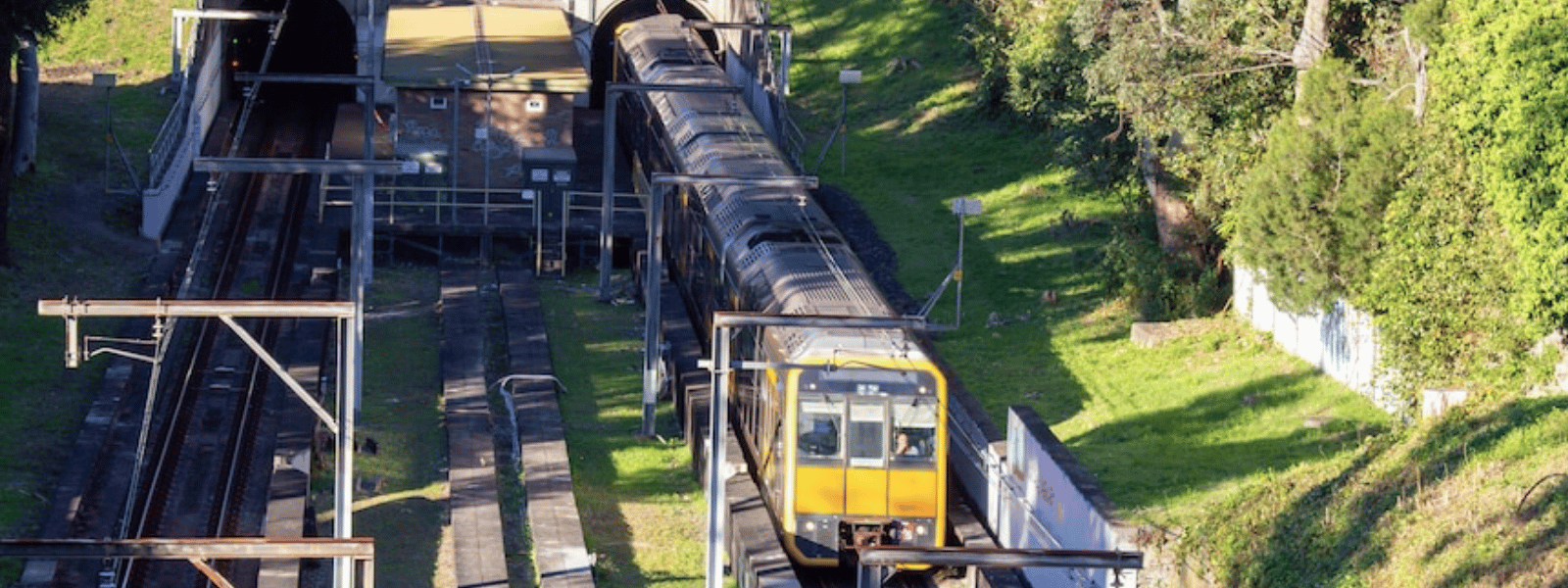
Coal mine closures mean we need to develop alternative industries for our workers. There has been some recent great news in this area - including the $12bn train building plan announced by the NSW Government for the Hunter; Greensteel’s announcement about securing the former BHP Steel site for a $500m investment in a new electric steel mill; and a joint State and Federal Government announcement about a draft masterplan for rezoning some of the soon-to-close Mt Arthur and already-closed Macquarie coal mine land for new industry.
The Hunter has a strong and proud history of manufacturing and heavy industry, and new passenger trains and green steel are exactly the sort of industries that would make this region and this workforce thrive as the coal industry declines.
In addition to trains and green steel, we could be manufacturing renewable energy components, batteries, green hydrogen and ammonia, medical technologies, other green metals and other transport vehicles. We have the largest coal port in the world that could be repurposed to support the export of manufactured products. We could be planning for sustainable agriculture and creative industries and tourism. The Hunter’s future is not in coal. It relies on new industries and we should be doing all we can to encourage them.
Seeing Ashton coal mine workers suddenly informed they’ve lost their jobs is a taste of what happens when the transition is neglected. But we’re also seeing exciting opportunities. Imagine a Hunter where workers are supported, investment is made into new industries, and where we share a hopeful, inspiring vision for our future.
